I write speculative fiction, cultural criticism, humor, and journalism, with a particular interest in retrofuturism, video games, fandom, and forgotten corners of pop culture history. My work has been published by Wired, Rolling Stone, Slate, McSweeney’s, Adventitious, The Daily Tomorrow, Alta Journal, Flash Fiction Online, and Nature: Futures. I also publish the newsletter Pop Cultural Precursors.
ALTA JOURNAL: Art of Manga
Manga, a Bay Area Love StoryA new exhibition at the de Young Museum explores how the Japanese art form conquered the world.
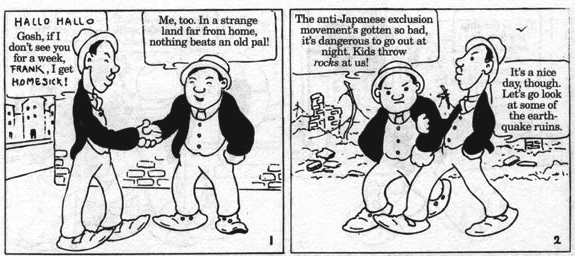
“Henry Yoshitaka Kiyama came to San Francisco in 1904. After an extremely unpleasant confinement on Angel Island that many Asian immigrants were forced to endure, he studied art at the California School of Design, and created a semi-autobiographical manga series about the immigrant experience in San Francisco, the 1906 earthquake, and everyday life in the city’s Japantown. His The Four Students Manga, is a pioneering work of this Japanese art form that also happens to be one of the first graphic novels published in America.”
I wrote a piece for Alta Weekly about the fantastic new exhibit on manga at the De Young Museum, and how the Bay Area has played an instrumental role in turning manga into a global phenomenon. Unfortunately, the article had to be cut down substantially for publication. I’m posting an earlier draft (unproofed, not fact checked) here on my newsletter. You can read it below, underneath this excerpt from Kiyama’s The Four Students Manga. You should go see the De Young manga exhibit if you can, it’s fantastic!
|

 |
What was once a niche curiosity available only in specialty comic shops in this country is now a cornerstone of most American childhoods. Kids are now so fluent in manga they have accustomed their eyes to the monochromatic style, so different from the gaudy colors of American comics. These kids’ love of manga has also driven them to learn how to read “backwards,” reading manga right-to-left and back-to-front, in the manner of Japanese text.
The Art of Manga, an exhibit opening at San Francisco’s De Young Museum on 9/27 and running through March, explores the creativity, artistry, and global influence of this vibrant medium. It’s the largest and most comprehensive exhibit on manga in the history of America, and there’s no other place it could happen. San Francisco was manga’s port of entry to America, and has played a central role in introducing the art form to the West for a century.
What makes manga special
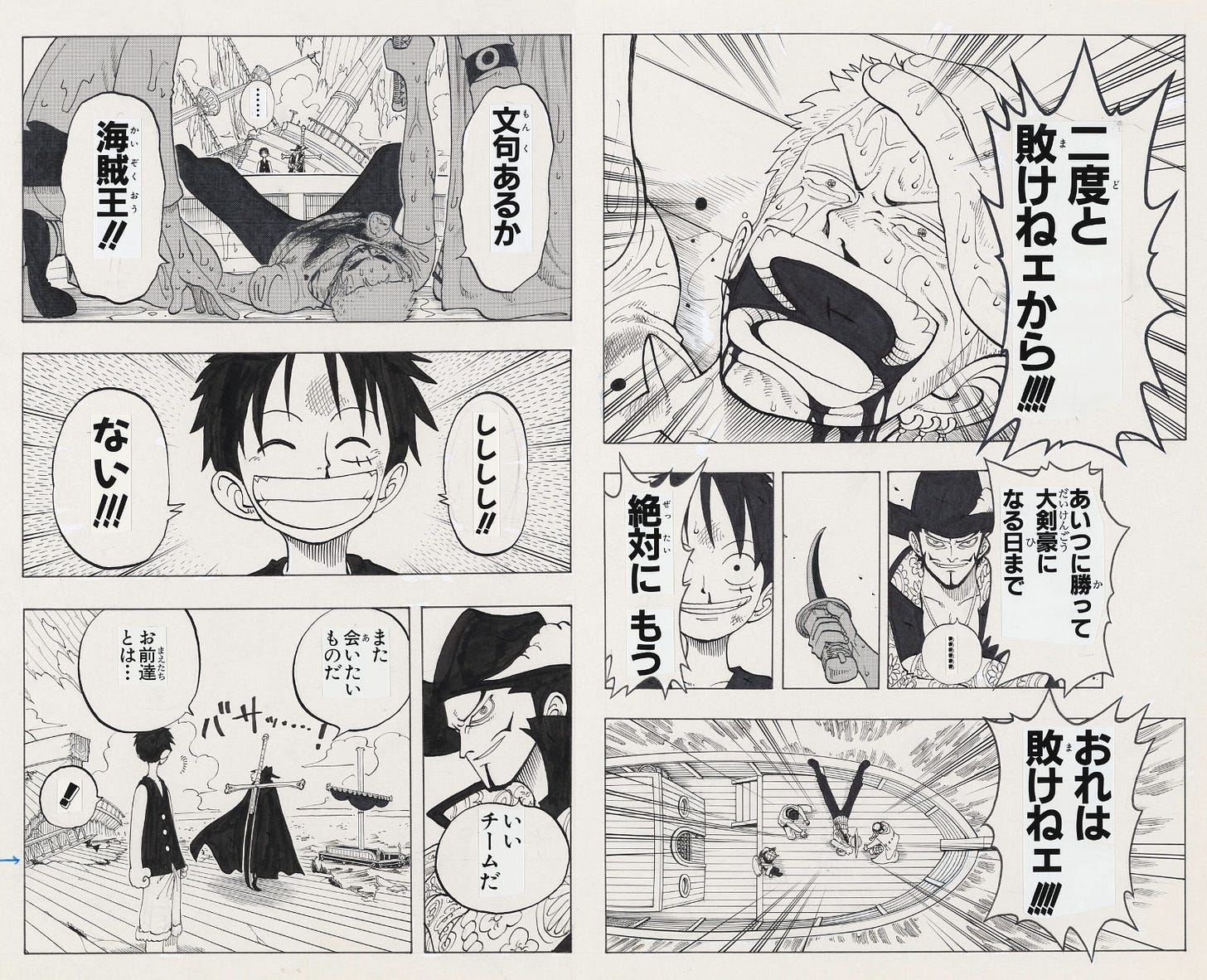
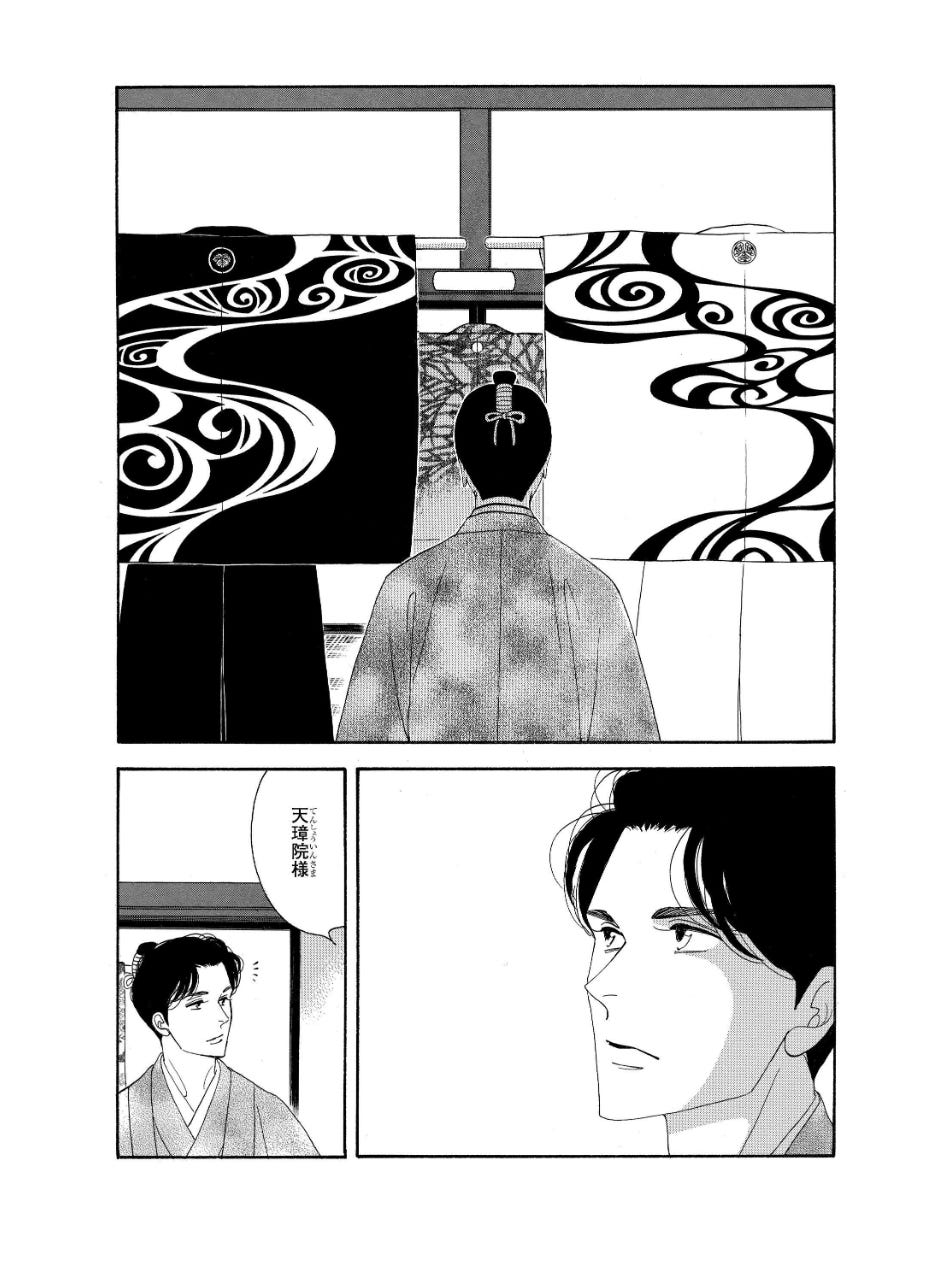
“Manga is an immersive narrative language with its own grammar,” says Nicole Rousmaniere, a scholar of Japanese art and curator of the De Young exhibit. She connects it to other visual mediums like ukiyo-e woodblock prints epitomized by Hokusai’s 1831 masterwork “The Great Wave off Kanagawa” as well as the thousand year-old emakimono, narrative handscrolls, that combined text, image, and oral storytelling.
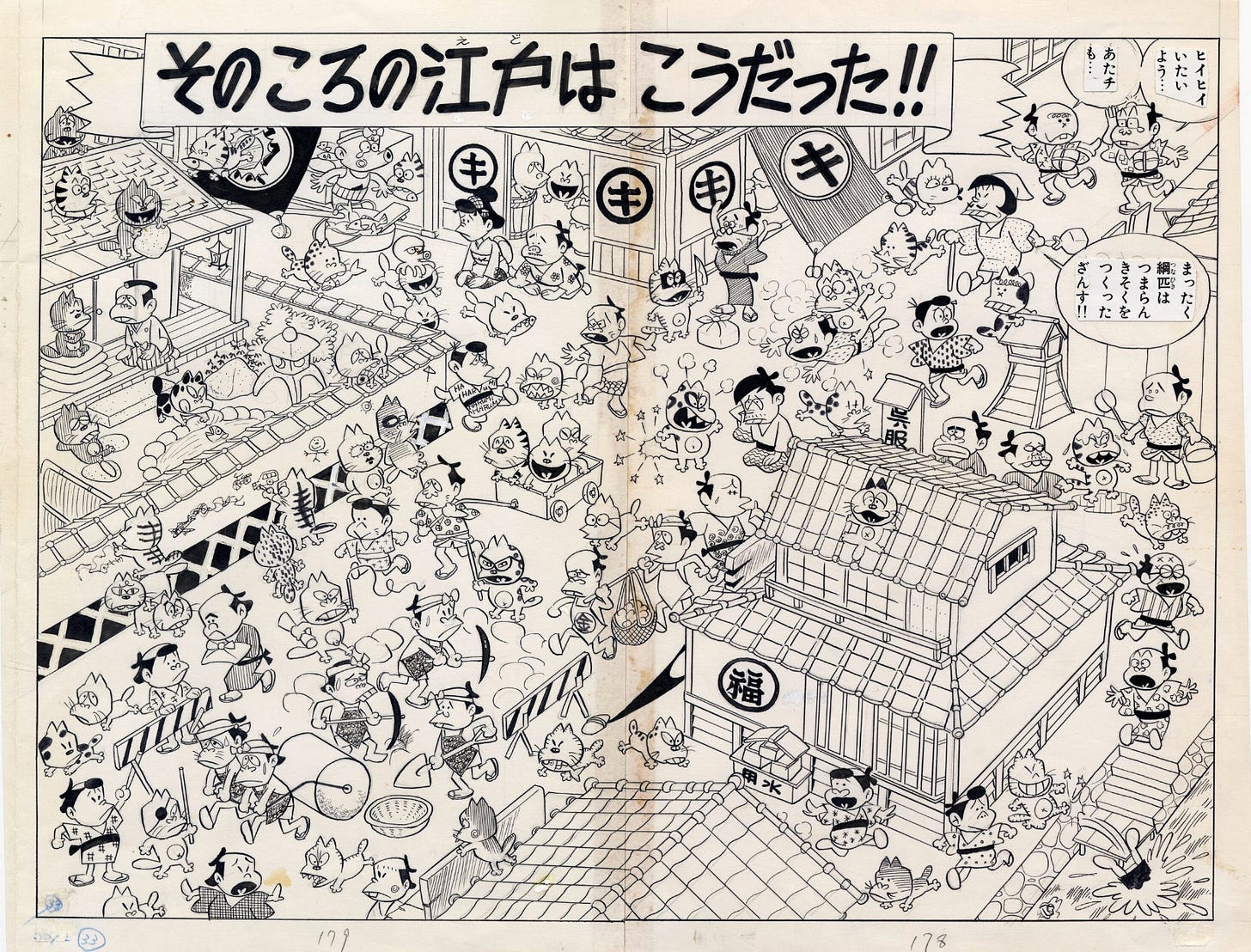 |
Rousmaniere also compares manga to performed art like kabuki. “It engages the five senses in a way Western comics don’t — it’s performative,” she insists. She describes how readers of manga don’t just look at discrete panels; they absorb visual rhythms that play out across two-page spreads, and interpret an elaborate iconographic system of visual shorthand that can immediately convey complex motions and sophisticated emotions. The admixture of text and images has a fundamentally different impact than it does in Western comics, because in Japan words are pictures—speech balloons and thought bubbles and vividly rendered sound effects feel much more integral to the overall visual experience.
 |
The De Young exhibit in San Francisco, like a previous well-received exhibition on manga that Rousmaniere mounted at the British Museum in 2019, grapples with the impossible task of giving a full picture of this enormously broad art form. There are manga stories targeted at boys and girls as well as grown men and women. There are manga that focus on action, romance, history, fantasy, sports, music, and cooking. There are biographical manga, erotic manga, avant-garde manga, manga released by businesses and political parties, manga about the LGBTQ+ experience.
The medium’s foremost creators and its Bay Area connections
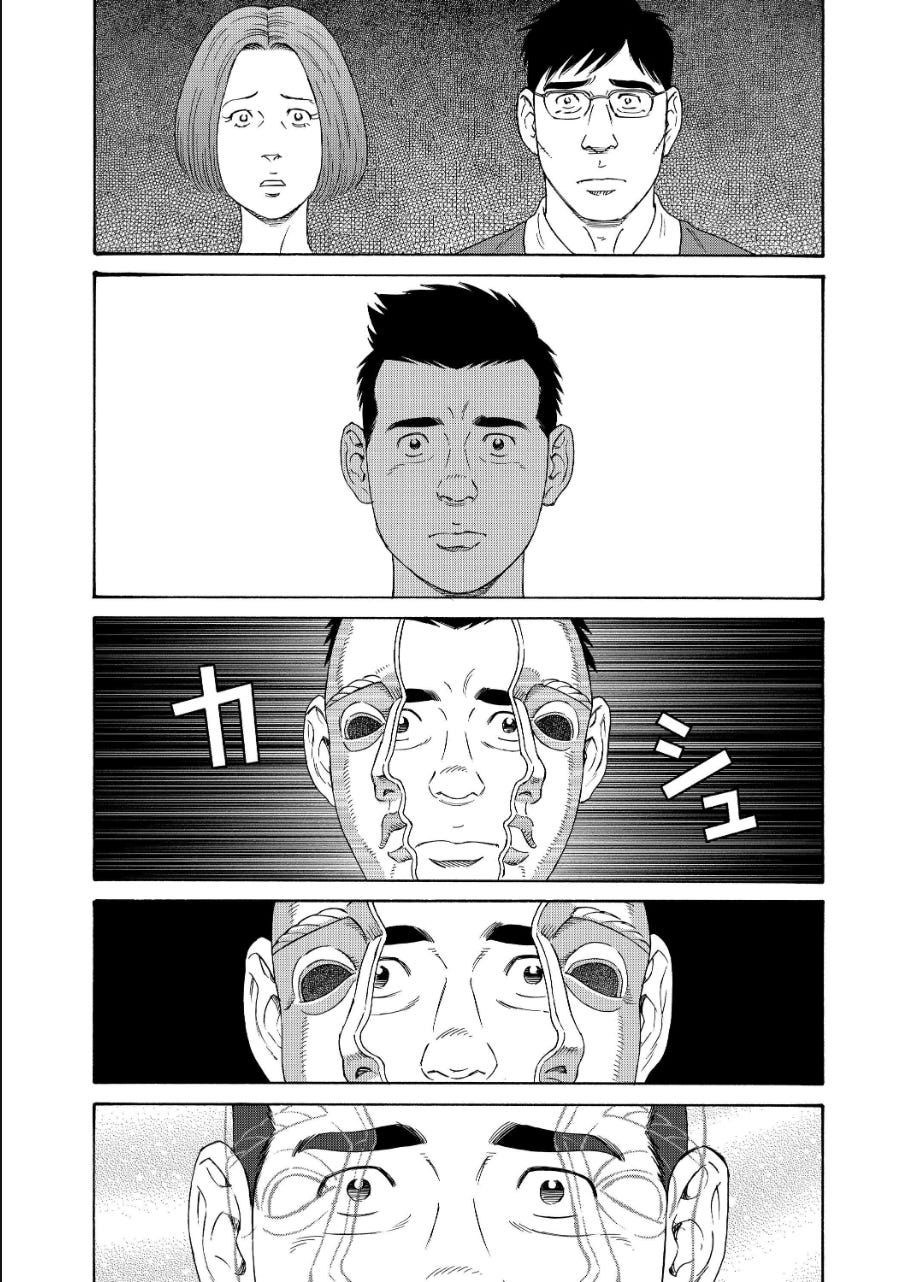
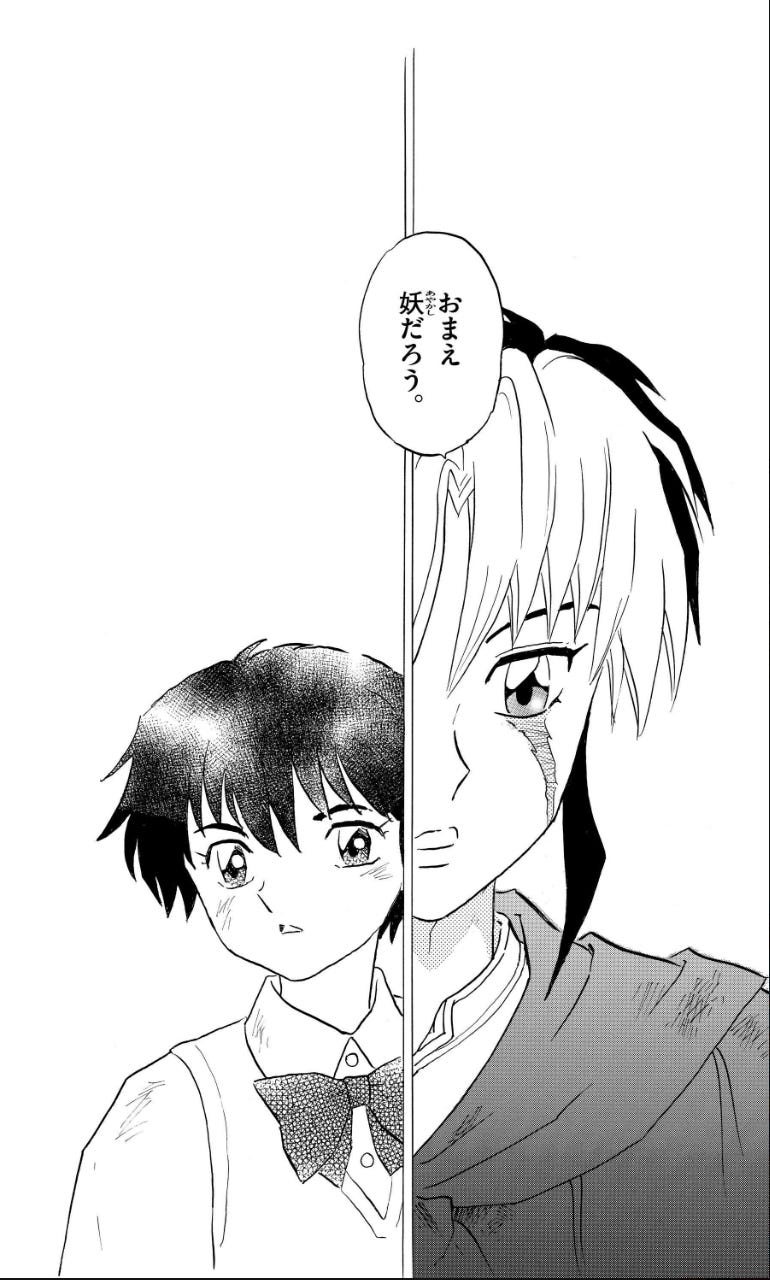
The museum exhibit is anchored by the works of Rumiko Takahashi, Jirō Taniguchi, and Eiichirō Oda — three of the most influential manga creators alive. Their touchstone series, from Ranma ½ and Mao to The Walking Man and One Piece, demonstrate the form’s extraordinary range. Alongside them, the show also highlights pioneers like Astro Boy creator Osamu Tezuka and Hirohiko Araki, whose long-running series JoJo’s Bizarre Adventure has over 120 million copies in circulation. It also features the works of more experimental artists, and those who’ve represented the LGBTQ+ experience in Japan.
 |
Here’s another name of a manga pioneer that more Americans should know: Henry Yoshitaka Kiyama. He came to San Francisco in 1904 four decades after the ship Kanrinmaru brought Japan’s first American diplomatic mission to San Francisco. Kiyama studied art at the California School of Design, and created a semi-autobiographical manga series about the immigrant experience in San Francisco, the 1906 earthquake, anti-Japanese prejudice, and everyday life in the city’s Japantown. His The Four Students Manga, created in the Roaring Twenties and released in 1931, is a pioneering work of the Japanese art form that also happens to be one of the first graphic novels published in America.
 |
San Francisco would continue to be a locus of manga interest in America, with the Japanese bookstore Kinokuniya opening in 1969, college fan clubs popping up in Berkeley, and a growing community of translators creating a local ecosystem. In 1983, Bay area translator and writer Fred Schodt published the first major English-language history of the form, Manga! Manga! The world of Japanese comics. Schodt would go on to rediscover and republish the pioneering Four Immigrants Manga. (He was an advisor to the organizers of the De Young exhibit, and contributed an essay on Kiyama to the catalogue for the exhibit.)
Schodt tells me what a struggle it initially was to try to localize manga. “In the early 80s, it just wasn’t something I could interest people in,” he says. As a sop to American audiences, manga initially had to not only have all of the words translated—they had to be laboriously reworked to suit what American eyeballs and brains were accustomed to. Color was added, and each page was “flopped” so panels could be read left-to-right and books could be read front-to-back, in the standard Western style.
In the mid-1980s San Francisco companies, Viz Communications and Studio Proteus, became the center of U.S. manga publishing. “The Bay Area’s countercultural comix scene generated an atmosphere of reception,” writes Alvin Lu in an essay in the De Young program. Lu is a former editor at Viz who is now president and CEO of the publisher Kodansha USA. “As hippie lore has it, Viz founders Fuji Satoru and Horibuchi Seiji came from Japan to Northern California in the 1970s to join a commune; when utopia went south, they wandered over to Berkeley and started a publishing company.”
 |
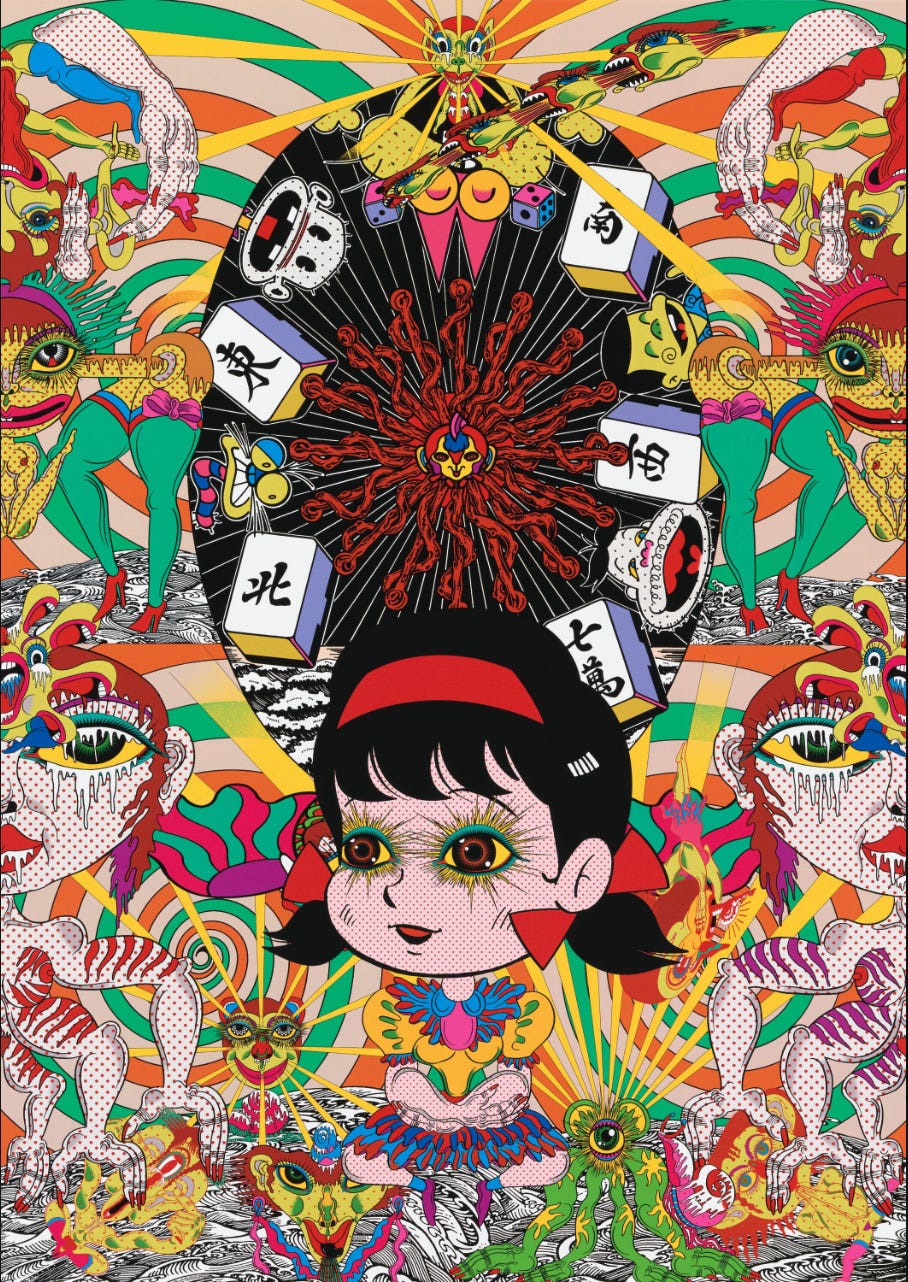
Viz would go on to publish many of Japan’s most popular manga in America, as well as challenging works by horror artist Junji Ito, the disturbingly psychedelic shojo (girls) manga of Junko Mizuno, and the ultraviolent Battle Royale that directly inspired The Hunger Games — titles that showed American readers how dark, wild, and diverse manga could be. The company would also lead the drive to stop “flopping” manga and adding color to it, making the American versions of the work far more authentic (and far cheaper to localize.)
Schodt tells me he’s amazed to see how popular manga has become in America, and how eager young people are to consume it in its original form. “My grandchildren can go in one day from reading left to right to right to left. It’s amazing how flexible their brains are.”
The De Young Exhibition
The de Young’s Art of Manga exhibition features elaborate video and interactive installations, There are also highly Instagrammable components, and the museum will even host cosplay events. But the centerpiece is hundreds and hundreds of examples of genga — the original drawings that are so fragile (and so zealously guarded by artists and publishers) that they are rarely seen by even the foremost aficionados of manga. “You can really see the hand of the artist that the printing process erases in these genga,” says Rousmaniere.
 |
She fully expects that De Young visitors will get such a crash course education in the art form that they’ll be able to pick up subtle details of ink flow, screen tone, rinkaku (line quality) and notan (shading) in this rarely seen source material. “By the time they leave the exhibit,” she promises,“everyone will be fluent in manga.”
Genre Exercises
I write speculative fiction, cultural criticism, humor, and journalism, with a particular interest in retrofuturism, video games, fandom, and forgotten corners of pop culture history. My work has been published by Wired, Rolling Stone, Slate, McSweeney’s, Adventitious, The Daily Tomorrow, Alta Journal, Flash Fiction Online, and Nature: Futures. I also publish the newsletter Pop Cultural Precursors.
My story was serialized by The Daily Tomorrow. Their synopsis: "a deathbed codicil, a savage sport, a mechanical replacement, and further complications? Join us for a healthful outing in Chris Baker’s marvellous 'A Duty of Care.' Happy hunting!"Subscribers can read an afterword about the story's making. https://dailytomorrow.substack.com/p/a-duty-of-care-full-story
Everyone should subscribe to this excellent spec-fic quarterly edited by Scott Beggs. Very proud to have a short piece in it.
If you could rewind time and erase your mistakes, would you use that power responisbly? Or would you be undone by undos? Read my piece in Futures: Science Fiction in Nature, and subscribe for more sci-fi flash fiction.I wish more science mags still published speculative fiction. We didn't know how good we had it with Omni back in the day...